

The global human weather
If January felt like careful consolidation, February feels like compression.
There is no crisis language. No loud rupture. Instead, people describe life in conditional terms:
“It’s good – as long as…”
“We’re okay – if this holds…”
The shift across everyday conversation is not panic. It’s calculation – a quiet check of assumptions and reserves.
People are still optimistic about the future, but less confident in the guarantees of stability, opportunity, and upward momentum. What was once described as “possible” is now described as “manageable.”
The four pillars
Live Good
From aspiration to endurance
Housing pressure is no longer debated as an exception. It is accepted as part of urban reality. Access to stable living increasingly depends on income, timing, or network advantage. For many, the focus is not improving lifestyle but preserving it.
- The shift: living well is less about expansion and more about holding ground.
Work Good
From growth promise to risk calibration
Work remains available in most cities, yet intensity rises. Organisations optimise. Individuals adapt. Security feels increasingly tied to constant performance rather than structural protection.
- The shift: Ambition remains, but it has become cautious. Continuity feels more valuable than bold risk.
Feel Good
Performance giving way to preservation
Energy management has replaced optimisation. People speak less about thriving and more about avoiding depletion. Mental sustainability becomes a private responsibility rather than a systemic priority.
- The shift: The language of resilience is present, but it carries fatigue.
Do Good
Contribution narrowed to proximity
Contribution narrows in scope. People prioritise immediate circles over broader systems. Civic intention remains, yet capacity feels finite. Engagement becomes practical rather than expansive.
- The shift: meaning is still pursued, but at a smaller scale.
City echoes
Based on the cities I visit during the QOL Tour
Lisbon
Opportunity now feels filtered through economic caution. The city is vibrant – yet the cost of living and housing pressure create a quiet recalibration of what a “good life” actually means.
Barcelona
Cultural vibrancy remains strong, but short-term rental stress and community ambivalence have become part of daily discourse. People live well around these constraints.
Paris
Stability persists, but personal margins feel thinner. Day-to-day life runs well, yet energy budgets are tighter.
Ibiza
Beauty and social connectivity remain core strengths. Yet seasonal fragility, workforce dynamics, and housing tension create a layered experience beneath the surface calm.
Bologna
Quality of life feels steady, even reliable. But innovation feels muted and momentum feels internal rather than outward – comfort competes with evolution.
Dubai
Acceleration continues – growth, expansion, performance. But that very speed draws conversation toward endurance and trade-offs between pace and sustainability.
The gap between system and experience
The shift beneath the surface
In February, most cities continue to present stability. Economic indicators remain solid. Investment moves forward. Development plans signal confidence.
By those measures, the system is performing. Yet stability at system level does not automatically translate into stability at individual level.
Housing markets remain strained even in growing economies. Work intensity rises while long-term predictability feels less certain. Cost levels increase faster than the sense of security.
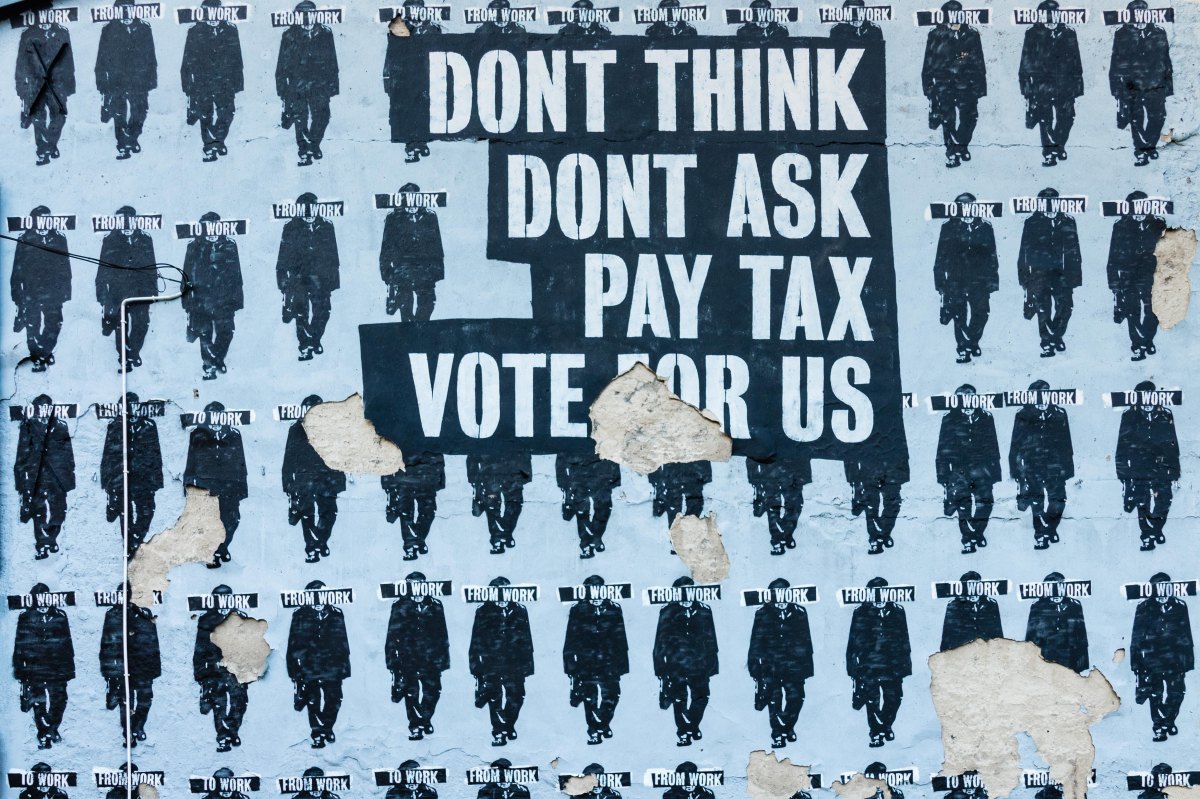
The system measures output and expansion. People measure security and breathing space.
When those two measurements move at different speeds, a gap forms. In January, that gap was observable. In February, it feels more embedded.
Nothing collapses. But more personal effort is required to maintain what used to feel stable. That is where pressure quietly accumulates beneath otherwise successful cities.
Closing reflection
This Atlas does not argue for change; it reflects what people are carrying.
People are adapting. They are not collapsing. But when adaptation becomes the primary stabilizing force of modern cities, the question shifts:
How long can private resilience replace public responsibility?
Quality of life is structural.
It is not measured by a crisis it is experienced in how people navigate the ordinary.
How this Atlas is formed
The Quality of Life Atlas is based on a continuous reading of public human signals. This includes resident and expat discourse, surveys, public reporting, local media, and everyday language across cities.
The focus is not on events, metrics, or individual opinions, but on recurring patterns in how people describe daily life. The Atlas listens for tone, repetition, and quiet tension rather than headlines or trends.


 Business Hippie Club