
City signals
Lisbon
A year later: five signals from a second reading
A Business Hippie quality of life reading
Fieldwork 2026
The lit squares are the goals this reading sits on. Tap one to see its signals.
Lisbon, a year later
Fieldwork 2026. This is my second reading of Lisbon. The first, from six weeks in November and December 2025, stays online as it was: Lisbon City Signals 2025. This one comes from November 2026, during Lisbon tech week and Web Summit.
The method is the same: coffeetalks, observation and immersion, with each finding checked against published data. A signal needs at least three separate conversations behind it. This stay was shorter, so the reading covers less. Most conversations were in English, with residents, newcomers, entrepreneurs and people at events.
Five signals follow. After them, "since last time" checks each 2025 signal and lists what changed in the year.
01 · Signal
Housing anger moved onto the streets
Seen through the 17 Living Goals02 Basic living conditions for everyone01 A life with dignity, for everyone03 Places built for humans
What I noticed
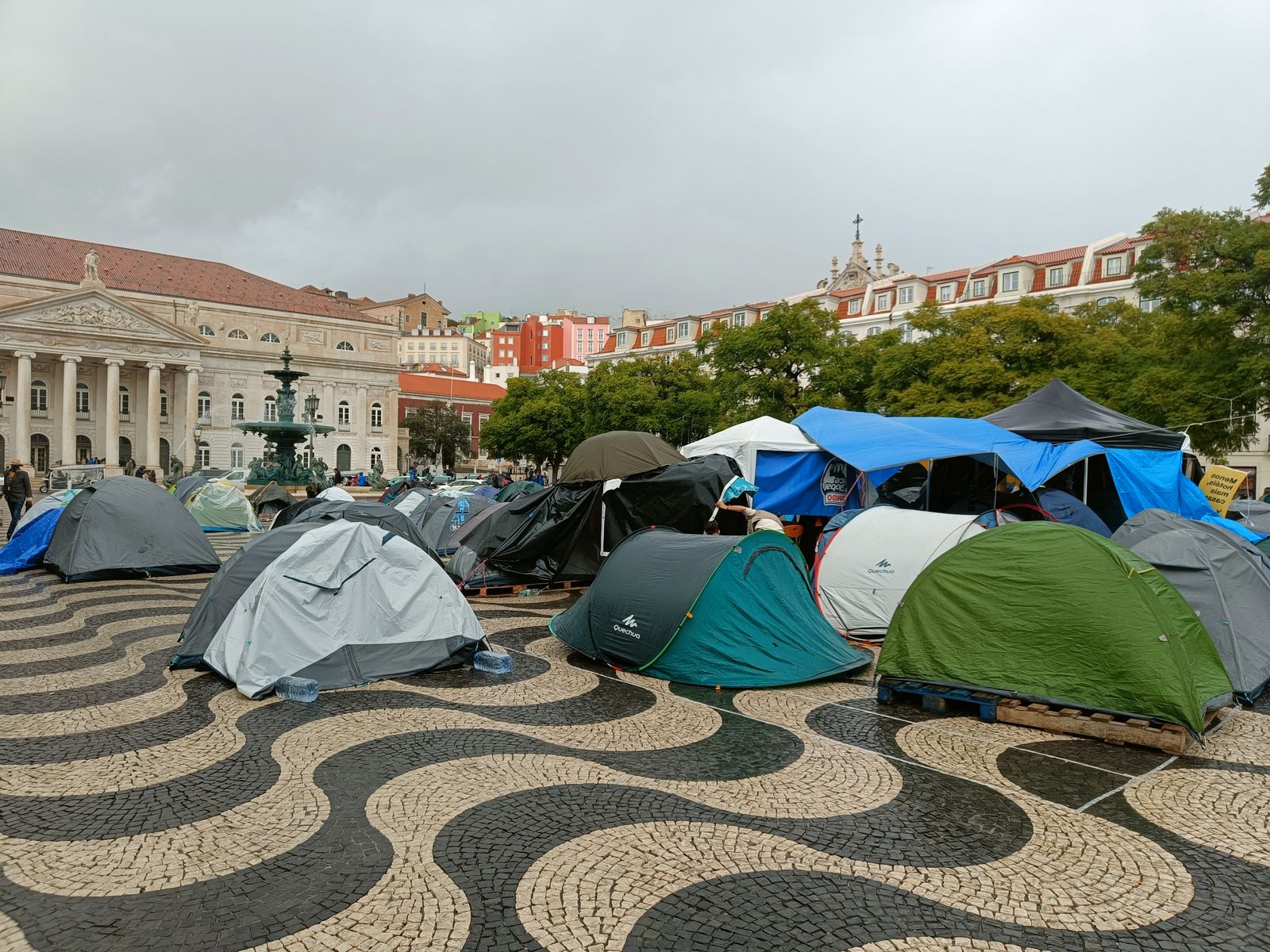
A year ago people complained about housing over coffee. This year there were tents in Rossio, in the centre of Lisbon. The anger is the same, or bigger. What changed is where it shows.
What people told me
Prices for housing and daily living keep rising, and people are tired of it. Newcomers said the same from the other side: one gave herself six months to find somewhere to rent or buy. Immigrants are being turned down for rentals without a reason given.
What the context says
The protests are against a government rental bill. It makes evictions easier and ends rent caps on new leases. It passed a first vote on 30 September but is not law yet, and the final vote has no date. The prime minister has ruled out dropping it, though he is open to changes. Porto had camps too. Police cleared them several times; each time, people came back.
In numbers
- Rent on new leases in Portugal, one year on
- +10.2% (Q2 2026)
- Median rent on new leases in Portugal
- €10.17 per m² (Q2 2026)
- House prices in Portugal, one year on
- +16.5% (Q2 2026)
What this tells me
In 2025, people who could not pay the rent moved out of the city or left the country. This year, more of them stayed and protested.
A question worth asking
If the rental bill becomes law, will the protests stop or grow?
02 · Signal
Plenty of contacts, not enough paid work
Seen through the 17 Living Goals06 Work that supports life, not drains it08 A fair exchange for your time
What I noticed
Last year this signal was about local wages in hospitality and services. This year I heard it from newcomers, the people Lisbon tries hardest to attract.
What people told me
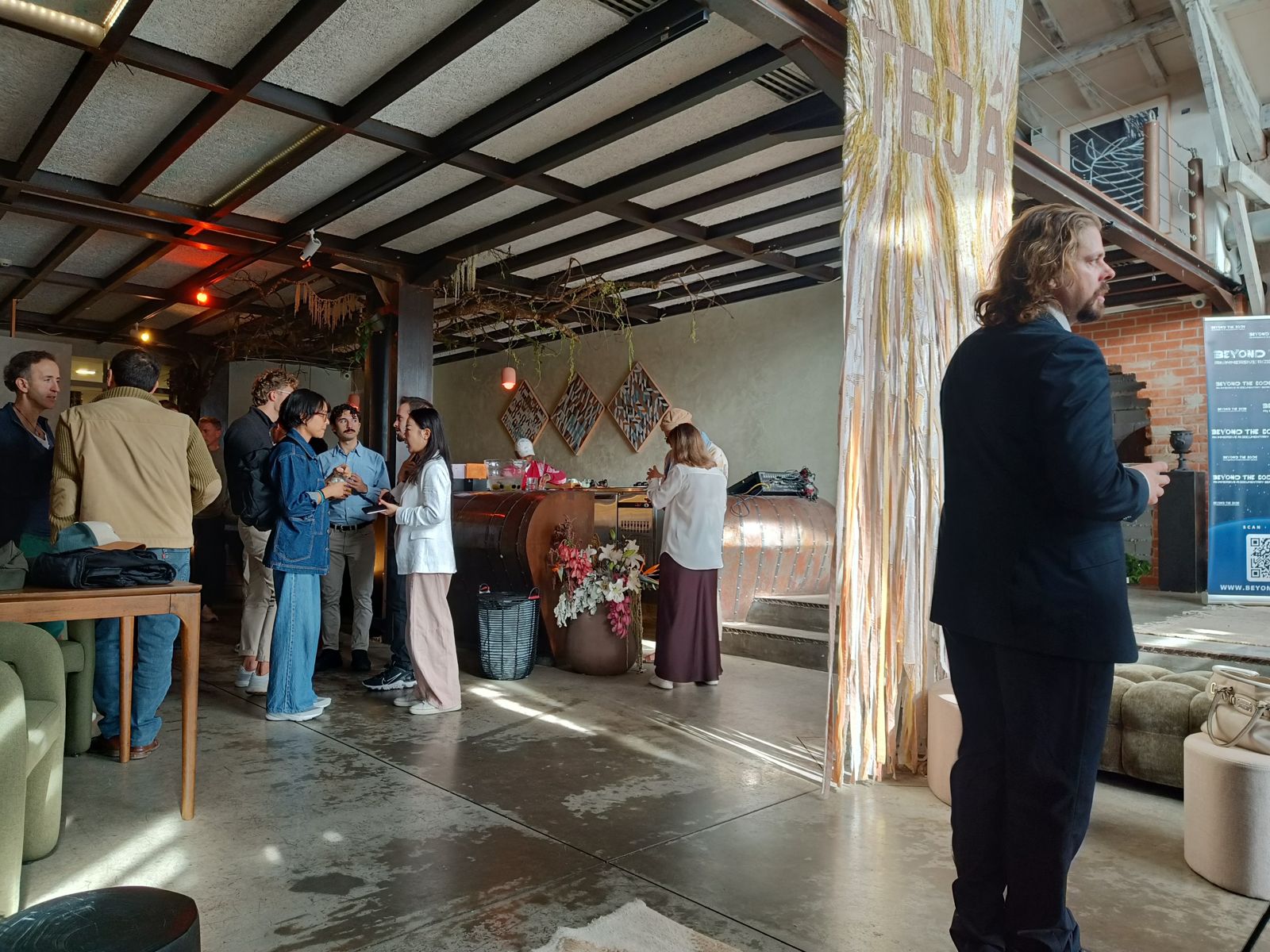
Lisbon is full of networking and short on work. Most openings are at start-ups, so there is little at mid or senior level. Some founders try to get work for free. Plenty of people make promises through the network that never come to anything. If you're not in tech, it's easy to feel lost here. People follow the work: one newcomer came from France by way of Germany, wherever the job was.
What the context says
The government wants to change the labour law. The unions say the changes make work less secure, hours longer and firing easier. In June they called a general strike against it, the second in six months. It stopped trains and the Lisbon metro, cancelled hundreds of flights and closed schools. Hospitals put off most surgeries. The government says the changes will raise productivity and growth.
The figures don't show a lack of jobs. Unemployment is at its lowest in more than twenty years. What people describe is the pay and the level of the work on offer, and a law that may make it less secure.
In numbers
- Unemployment
- 5.7% (Jul 2026), lowest since 2002
- Youth unemployment
- 20.1% (Jul 2026)
- Minimum wage
- €920 gross a month (2026), up from €870
- Articles of the labour code the government wants to change
- more than 100
- General strikes against the plan
- 2 in six months (Dec 2025, Jun 2026)
What this tells me
In 2025, locals said extra effort brought no extra pay. Skilled newcomers now say the same. They came for work and found mostly contacts.
A question worth asking
How many of Lisbon's start-ups pay properly for the work they get?
03 · Signal
Friendly on the surface, blame underneath
Seen through the 17 Living Goals13 Belonging in an age of disconnection17 Belonging to a larger whole01 A life with dignity, for everyone
What I noticed
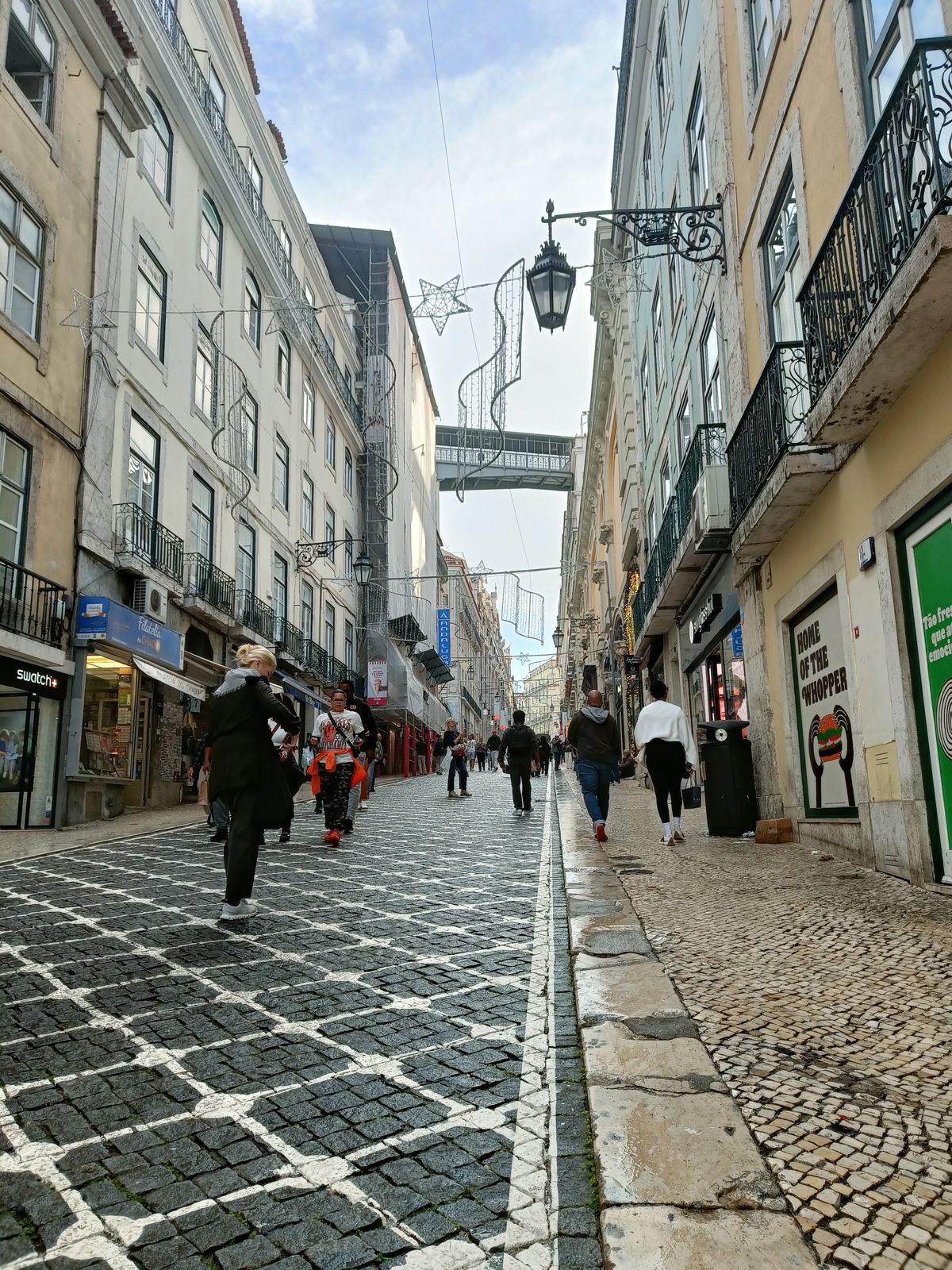
Lisbon is still friendly, welcoming and peaceful. Underneath, the mood has changed. For a long time different groups got along without saying much about it. That lasted until money and self-interest came first.
What people told me
Newcomers find it easy to make friends and say they never have social problems. Portuguese people are reserved and formal; it takes longer to connect, and the connection is more sincere once it comes. Family matters and gets regular visits. Alongside that, people point fingers more and more: poor at rich, locals at immigrants. The blame was starting a year ago. Now it's out in the open. Some immigrants are refused rentals without a reason.
What the context says
Since May 2026, foreign residents wait longer before they can apply for citizenship. They must also pass a test on the Portuguese language, culture, history and national symbols.
In numbers
- Foreign residents in Portugal
- 1.6 million at end 2025, up from 0.42 million at end 2017
- Wait before a foreign resident can apply for Portuguese citizenship
- 10 years, was 5
- Wait for EU citizens and people from Portuguese-speaking countries, such as Brazil
- 7 years, was 5
- New condition for citizenship
- A test of Portuguese language, culture, history and national symbols
- New nationality law (the three rows above) in force since
- 19 May 2026
What this tells me
In 2025 the groups lived side by side in separate bubbles. In 2026 they have started to blame each other. The bubbles have become sides.
A question worth asking
Who gains when residents blame each other instead of the system they all live under?
04 · Signal
Lisbon builds for business, not for residents
Seen through the 17 Living Goals15 Progress that feels human03 Places built for humans
What I noticed
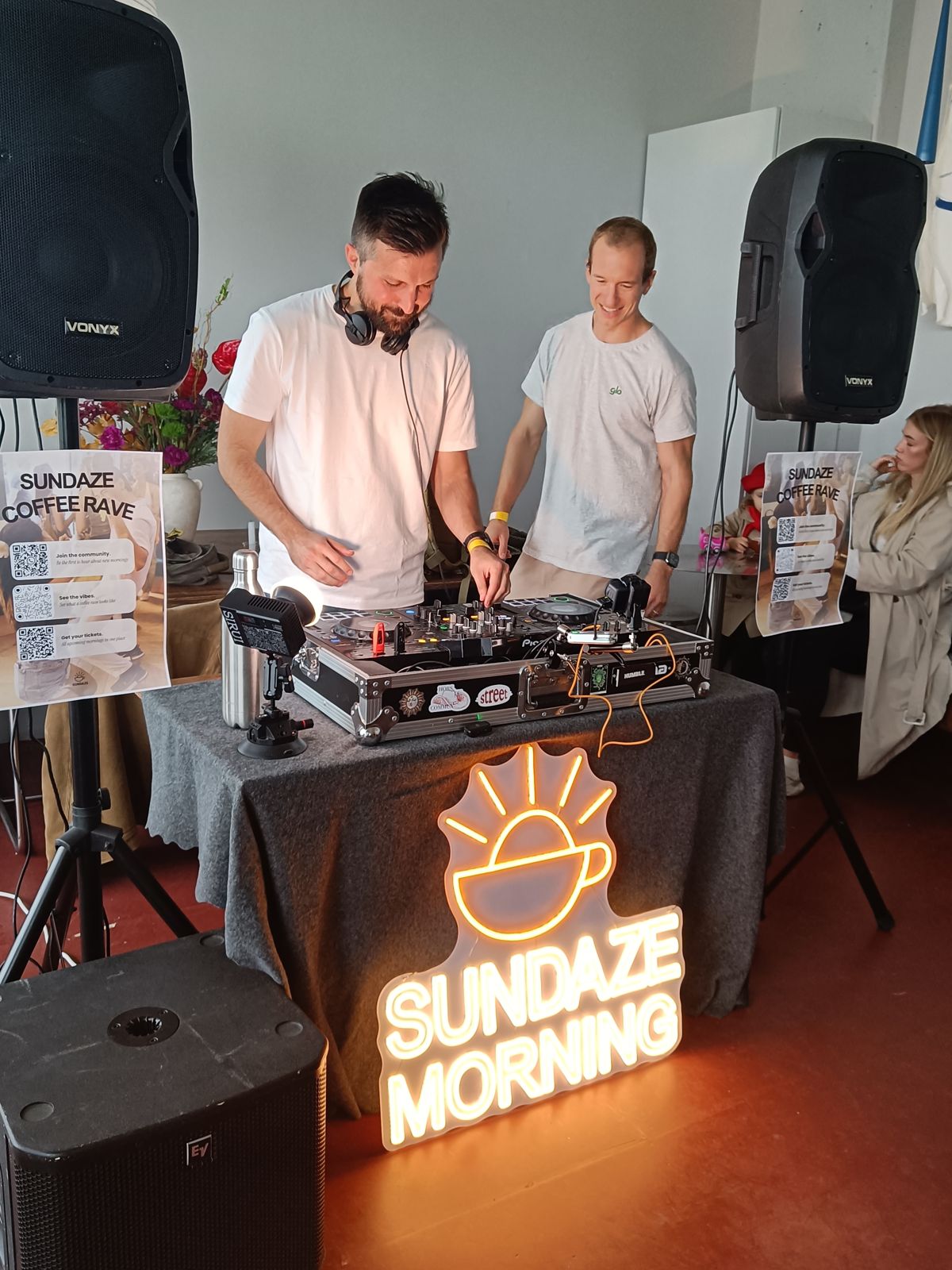
Lisbon puts a lot of effort into attracting talent, investment and tech. I spent tech week at its events. I kept asking how much of what gets built there makes daily life in Lisbon better.
What people told me
The city is human-sized; you're never bored and you can always meet people. The transport card takes you anywhere, and life is less stressed than in Paris or Germany. Music, breakfast places and coffee shops are everywhere, many of them there because of the expat crowd. Typical Lisbon culture is harder to find now. More and more people in hospitality speak only English. The city is green, but locals don't find it green enough.
What the context says
The city's push is working on its own terms. Lisbon is now among the world's top 30 emerging startup scenes, and it holds almost half of Portugal's startups. Visitors keep coming, and most of them are from abroad. Buyers who live abroad pay more for a home in Lisbon than buyers who live here. The success is measured in companies and visitors, not in daily life for residents.
In numbers
- Lisbon's place in a world ranking of fast-growing startup cities
- In the top 30 (Startup Genome, 2025)
- Share of all Portuguese startups that are based in Lisbon
- Almost half: 45% of 5,091 (2025)
- Share of hotel nights in Greater Lisbon that go to foreign visitors
- More than 8 in 10: 83.2% (Jan–Sep 2025)
- What a buyer living in Portugal pays for a home in Lisbon
- €4,813 per m², median (2025)
- What a buyer living abroad pays for a home in Lisbon
- €6,026 per m², median (2025): about 25% more
What this tells me
What draws people to Lisbon is what the newcomers wear down: its own culture, its slower pace, its prices. Lisbon puts more into selling the city than into looking after it.
A question worth asking
Is Lisbon's international pull starting to work against its own success?
05 · Signal
Done waiting, nowhere to go
Seen through the 17 Living Goals14 A say in your own life10 Feeling alive, not just functioning
What I noticed
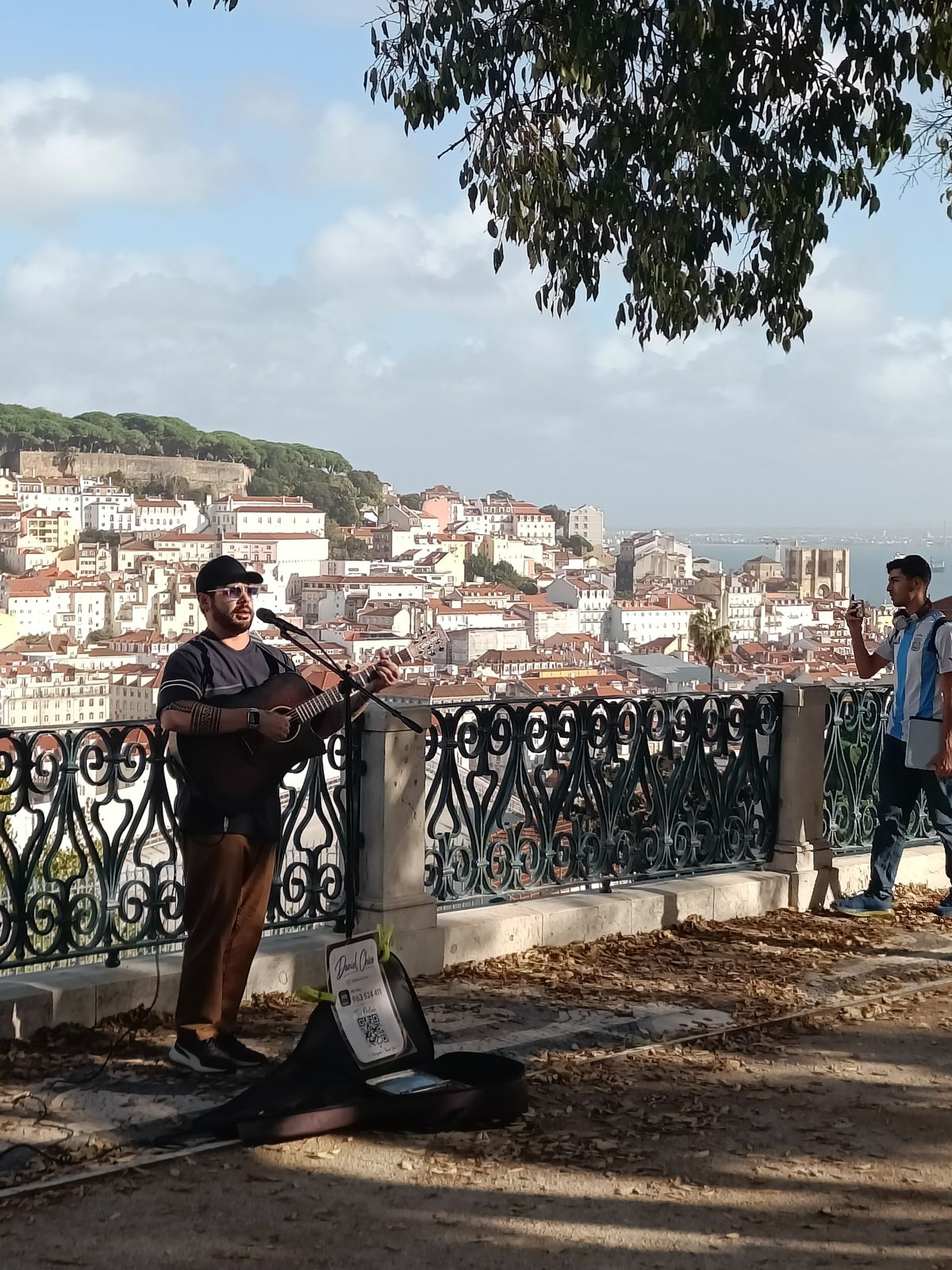
The resignation I wrote about in 2025 is still there. But tension is rising. People want to do something about a system that is stuck.
What people told me
The gap keeps widening. Portuguese people aren't fighters. There is no north star: no leader who sets a direction anyone wants to follow. Trust in government is lower than people can remember. What energy there is goes local, back to basics.
What the context says
Trust in the national government dipped in 2023, during a political crisis, and by 2025 was back level with the OECD average. More people also feel they have a say. What people describe as "lower than ever" is a feeling the surveys don't show. It fits a more recent mood: two in three say the current government has fallen short of what they expected. Housing campaigners say the government is not listening.
In numbers
- People in Portugal who trust the national government a lot or fairly
- About 4 in 10: 40% (2025), up from 32% in 2023. OECD average 40%
- People who feel the system lets people like them have a say in what government does
- About 1 in 3: 32% (2025), up from 24% in 2023
- People who say the current government has fallen short of what they expected
- About 2 in 3: 65.7% (May 2026)
What this tells me
In 2025 people didn't act, because acting had never worked. In 2026 they want to act, but there is nobody to follow and no plan they share. They want change and don't know where to start. Does the dictatorship, only about fifty years ago, still make older people cautious? And are the young, who never lived through it, the ones who act?
A question worth asking
Is the calm about to break, or do people not believe they can change things?
since last time
All five 2025 signals still hold. Two have shifted.
- 01 The city is being kept as a frontage
- Holds, and got louder: see Signal 01.
- 02 The wage is a number, not a negotiation
- Holds, and now reaches newcomers: see Signal 02.
- 03 Friendly to everyone, close to nobody
- Moved. The bubbles have become sides: see Signal 03.
- 04 Portugal educates, someone else employs
- Holds. Healthcare is still slow; emergency care works.
- 05 Nothing will change, and they have good reason to think so
- Moved most. People want change, but nobody leads: see Signal 05.
what changed in the year
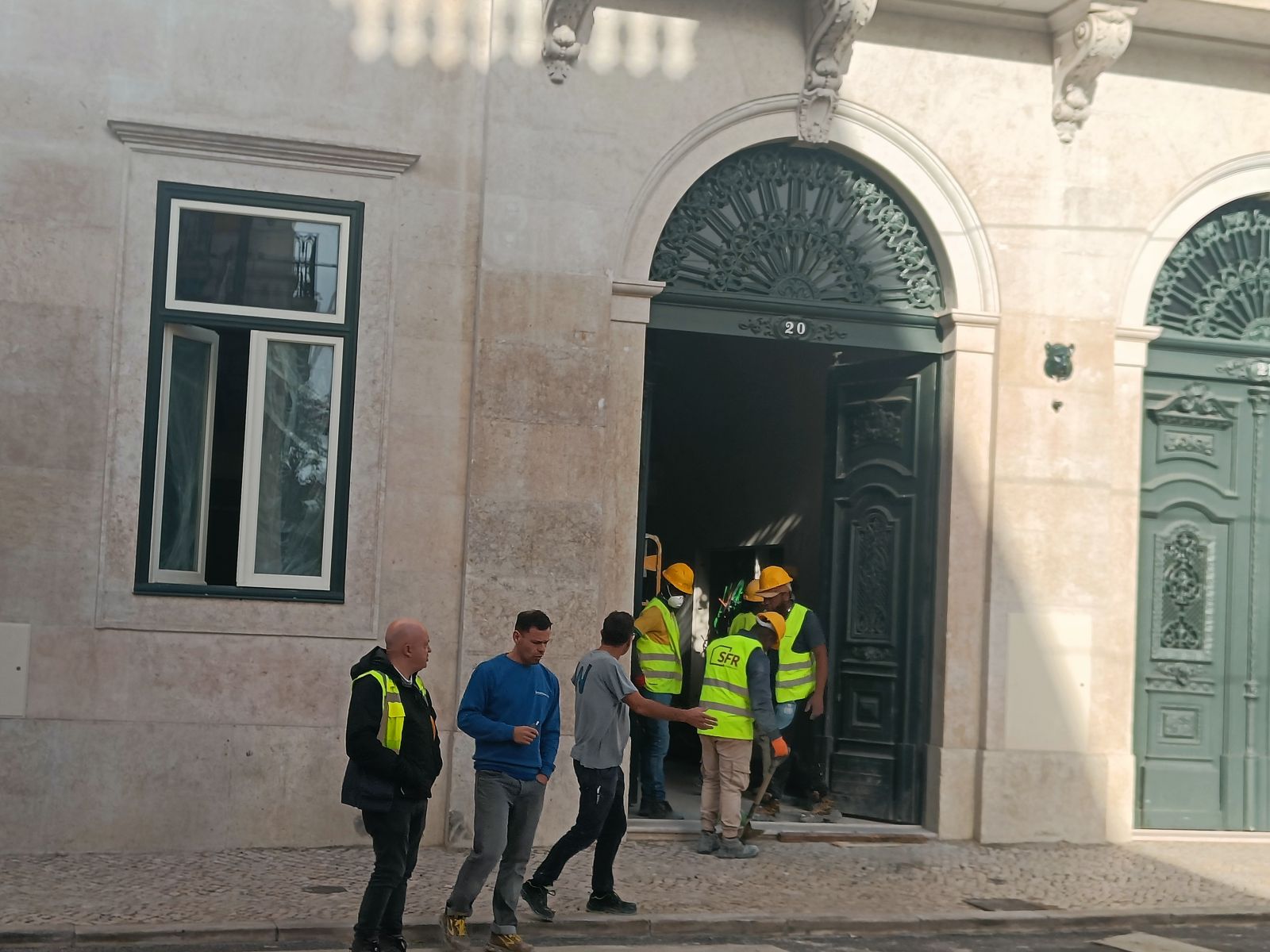
The rules changed, or are about to, on most of what people raised in 2025. Newest first.
| When | What changed | Which way |
|---|---|---|
| Sep–Oct 2026 | Rental bill to ease evictions and end rent caps passes a first vote. Police clear the Rossio camps | Against what people asked |
| Jun 2026 | Population restated at 11.4 million once foreign residents are counted properly. Housing per person is lower than the 2025 figures showed | Correction to the 2025 data |
| Jun 2026 | Second general strike in six months against the labour plan | Against what people asked |
| May 2026 | Citizenship: 10 years' residence for most foreigners (was 5), plus a language and culture test | Harder for newcomers to belong |
| Apr 2026 | Top-priority cancer surgery wait doubled from 15 to 30 days | Against what people asked |
| Jan–Feb 2026 | Presidential election: about 61% voted in round one, 50% in the runoff. Seguro beats Ventura 66.8% to 33.2% | Half stayed home for the runoff |
| Dec 2025 | Short-term rentals reopen in 18 districts; the busiest areas are capped at 10% | Mixed |
| 2023–2026 | Tax breaks for foreigners closed; from May 2026 a 7.5% transfer tax for buyers who live abroad | With what people asked |
Very little of this came from the people who live with the results.
closing
Lisbon is still a good place to be: friendly, welcoming, peaceful. A year ago people left quietly. This year they are staying and speaking up. What's missing is a direction.
Is there more to Lisbon than the welcome? I think so. It sits with the quiet majority: the people who are neither in the square nor in the tech scene. Do they know where they want the city to go?
An intervention for Lisbon: build for the city, not just in it. Every November, Lisbon fills with founders, developers and investors. Put some of them to work on the city itself, through a hackathon, workshops and a working group for social good. Residents bring the problems they live with. Builders make tools and products that improve daily life for everyone. This is the starting point for a new BHC concept, published separately.
I would rather be corrected than agreed with.
thank you
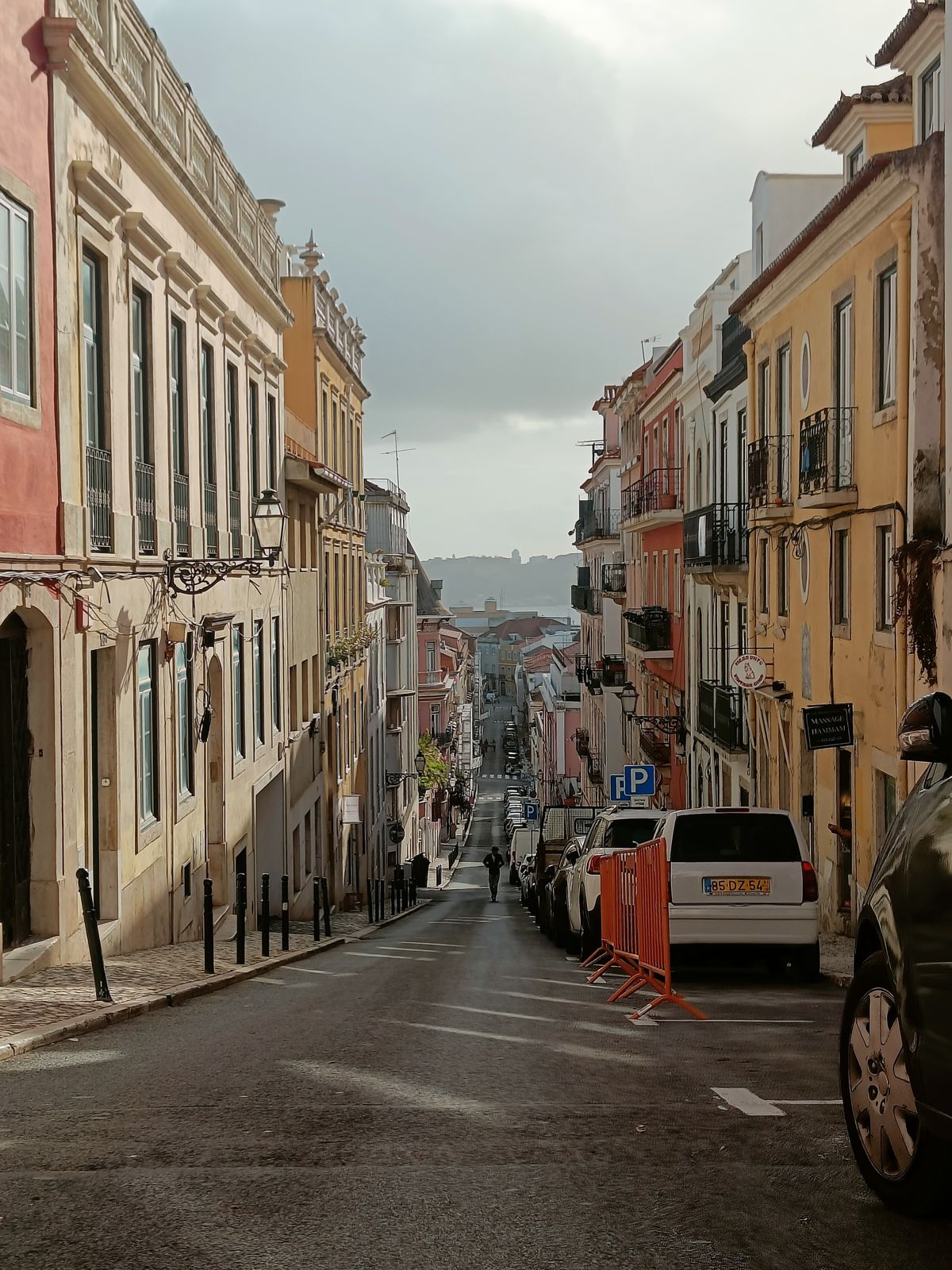
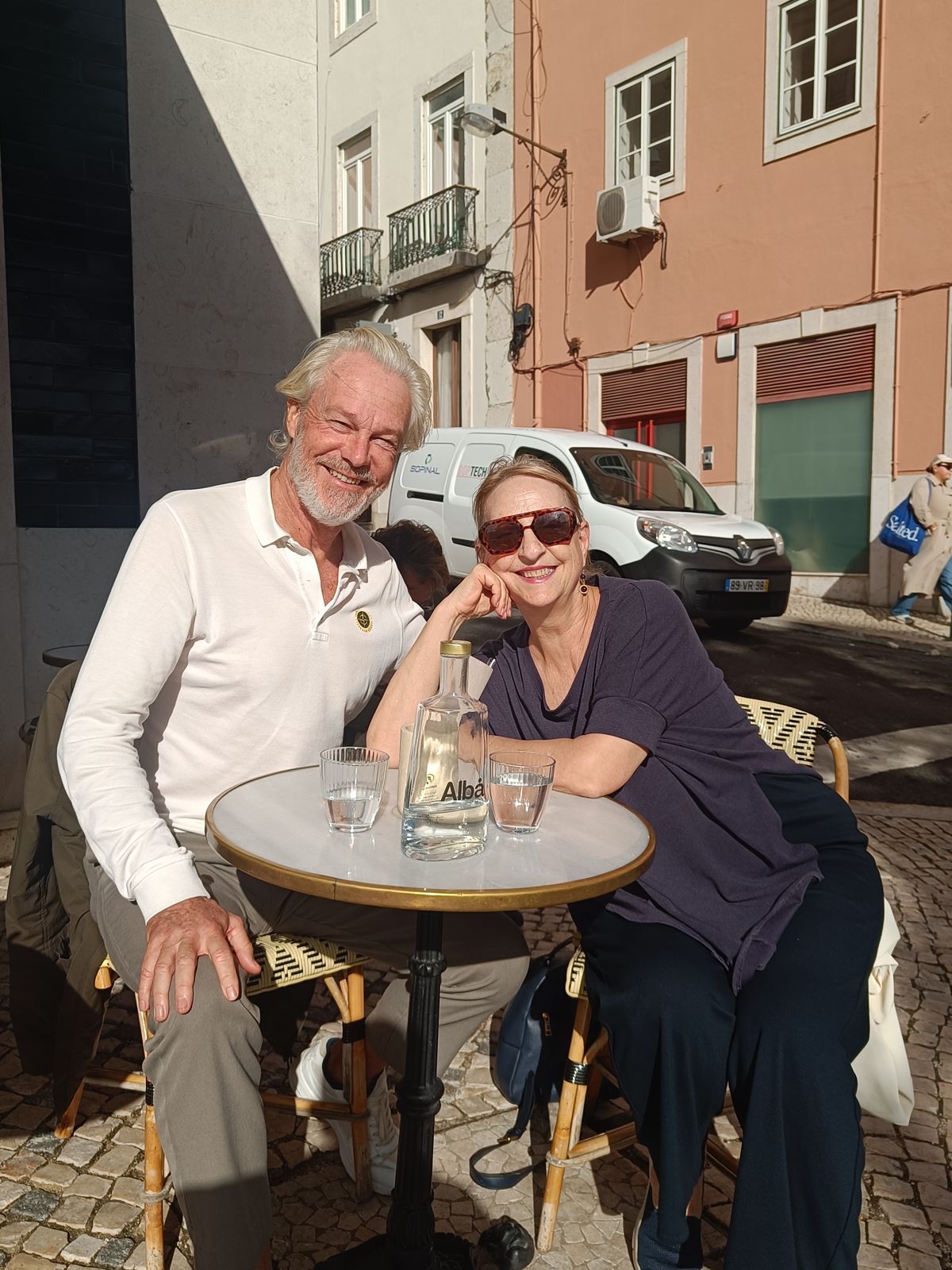
Thank you to everyone in Lisbon who sat down with me again, and to everyone who sat down with me for the first time. If I have read you wrong, that is mine.
 Hans van de Rakt
Quality of life is the new success™
Fieldwork 2026