
nomad villages
age-friendly micro-communities
the problem
People live longer and stay healthy longer. Energy, curiosity and the wish to contribute often last well past retirement age. Housing, community design and ways of living haven’t caught up.
A growing group of older adults want to stay active, independent and part of something. They want a rhythm to the day, company without losing autonomy, and travel with some depth to it. What’s on offer is staying put, or senior housing.
the solution
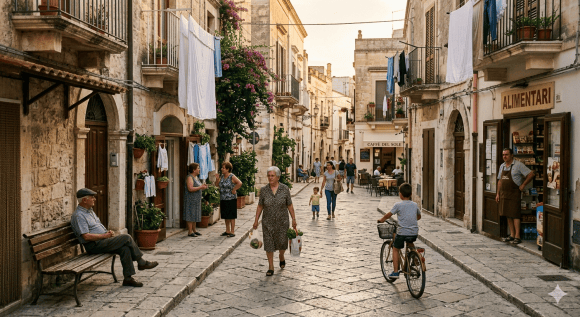
Nomad Villages: small, age-friendly communities in places worth living – coastal towns, cultural cities, the countryside. Residents stay three to six months, then move on to the next village. Private studios or small apartments sit around shared space for meals, conversation, learning and movement.
It’s a new category between home, travel and community, paid for by long-stay residency, with local partnerships and shared programmes alongside. Quality of life isn’t age-bound. It’s design-bound.
how it works in practice
A retired engineer arrives in a coastal village in October with a dozen others. Her flat is her own. Most days she eats with the group, joins a Spanish class, walks, and spends two mornings a week mentoring at a local vocational school. Residents set the village’s rhythm themselves, with light shared responsibility.
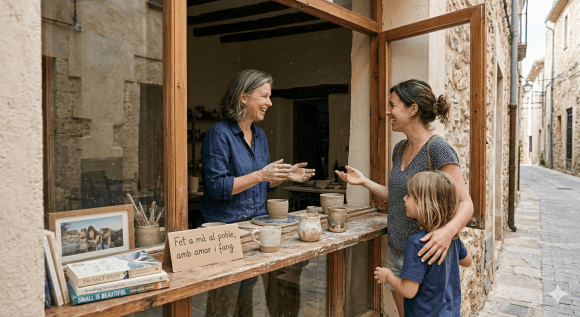
In March she moves on to a village in a cultural city, with some of the same people and some new. Local partners – hospitality, educators, practitioners, cultural groups – connect each village to the place around it.
for residents
Belonging without giving up independence. New places and new conversations, without relocating alone. Purpose through mentoring and local projects, and wellbeing built into the day.
for business
Hospitality and property partners get steady long-stay occupancy outside the peak. Practitioners, educators and service providers get a recurring, organised client base. Firms developing age-friendly products and services get real users to design with.
for government
Active-ageing policy with a place to happen. Regions that need a stable population and year-round activity get long-stay residents who take part, and intergenerational contact strengthens the community around them.
about this concept
Nomad Villages is a Business Hippie Club concept. It’s a design proposal, written for property developers, hospitality groups, regional governments and investors in ageing well.
Want one worked up for you? That’s what I do.
€4,500.