
BUSINESS HIPPIE CLUB
Lichtstad
Eindhoven
City Signals
Eindhoven is a group of villages with a world economy in the middle. The spotlight is on the economy.
QOL TOUR · FIELDWORK 2026
THE SHORT READ
Eindhoven
Eindhoven lies in Brabant, in the south of the Netherlands. Ask people here about their city and most of them start with their own neighbourhood. A lot of people now call Eindhoven home – the city passed 250,000 residents in October 2025.
A hundred years ago Eindhoven was a small town with five villages around it. Then Philips arrived. Philips started in Eindhoven in 1891 as a light bulb factory and grew into one of the world’s big electronics companies. The factory needed workers, the workers needed homes, and in 1920 the town and the five villages became one city.
Eindhoven has a strong reputation. Brainport. Design capital. The region where ASML builds the machines that make the world’s chips. The city tells this story well, and often.
I went to find out what daily life in Eindhoven is like behind the story.
This is the short read. Five signals from my coffeetalks, checked against public figures. The short read is not a full report on the city.
I did not ask whether Eindhoven is a good or bad place to live. I asked a different question.
What is Eindhoven telling us about quality of life?
METHOD
How I work
This is field research, not market research. I go to a city, stay for a while, and look at the city as an outsider. This is the QOL Tour – the same method in every city.
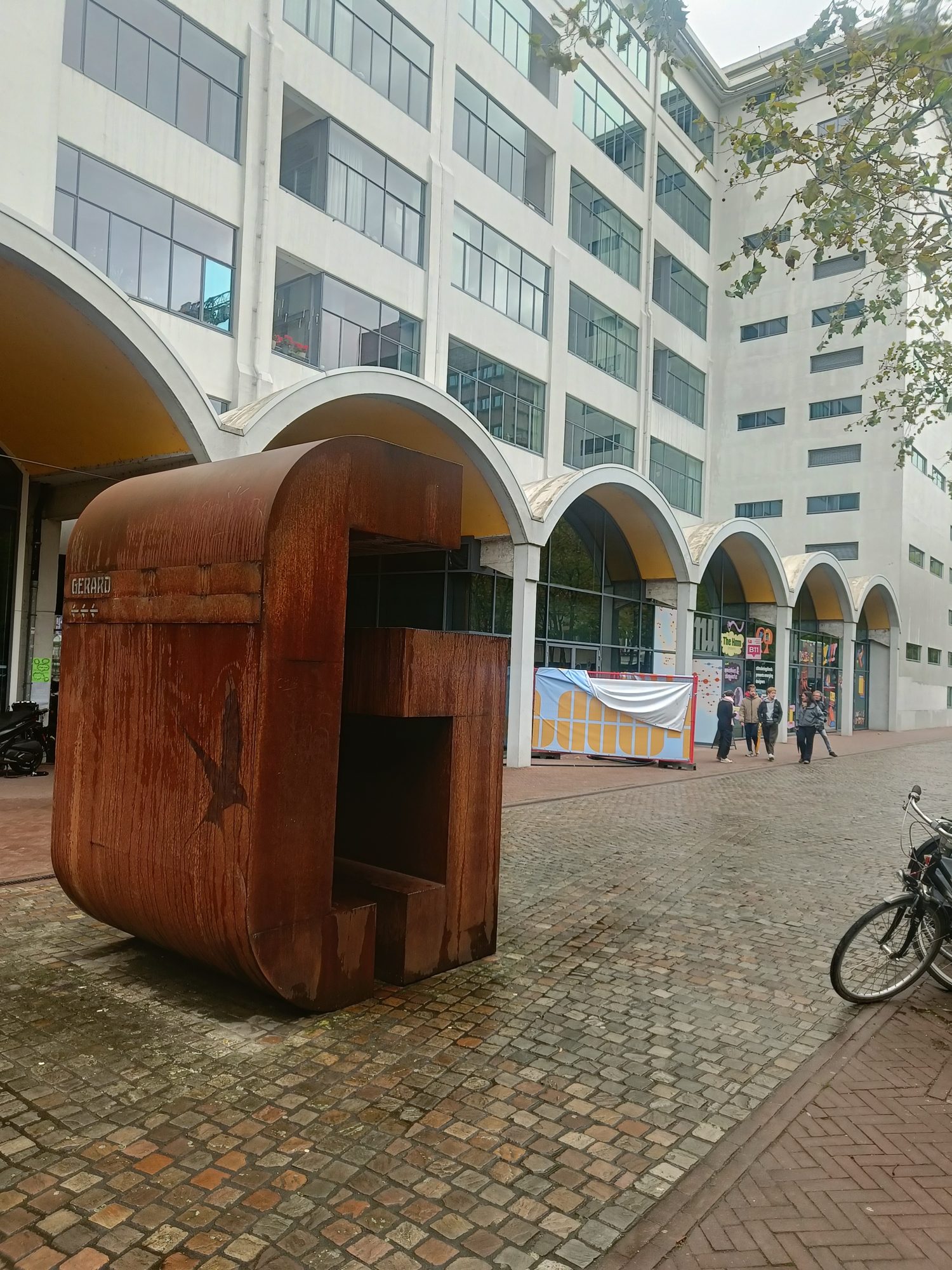
Observation – I walk, cycle, sit and watch. Who is out on the street. What is being built. Where the city spends its money and attention.
Conversations – Coffeetalks. Thirty minutes, one to one, with people who live or work in the city. No agenda. Nothing depends on the answer, so people speak more freely.
Immersion – I live in the city for a while instead of visiting it.
A NOTE ON THIS READING
I was in Eindhoven from 17 to 25 October 2026. That was Dutch Design Week, the busiest week of the year in the city. My plan was to come in the quieter weeks before the festival. The plan did not work out.
So I asked people about the other 51 weeks of the year.
Most coffeetalks were in Dutch, my own language. I translated the quotes. Each signal below came up in at least three separate coffeetalks.
The fieldwork was done in 2026. The figures are the most recent I could find at the time of writing.
SIGNAL 01
Big city. Village rules.
LIVE GOOD · FEEL GOOD
“Big and small in one city.”
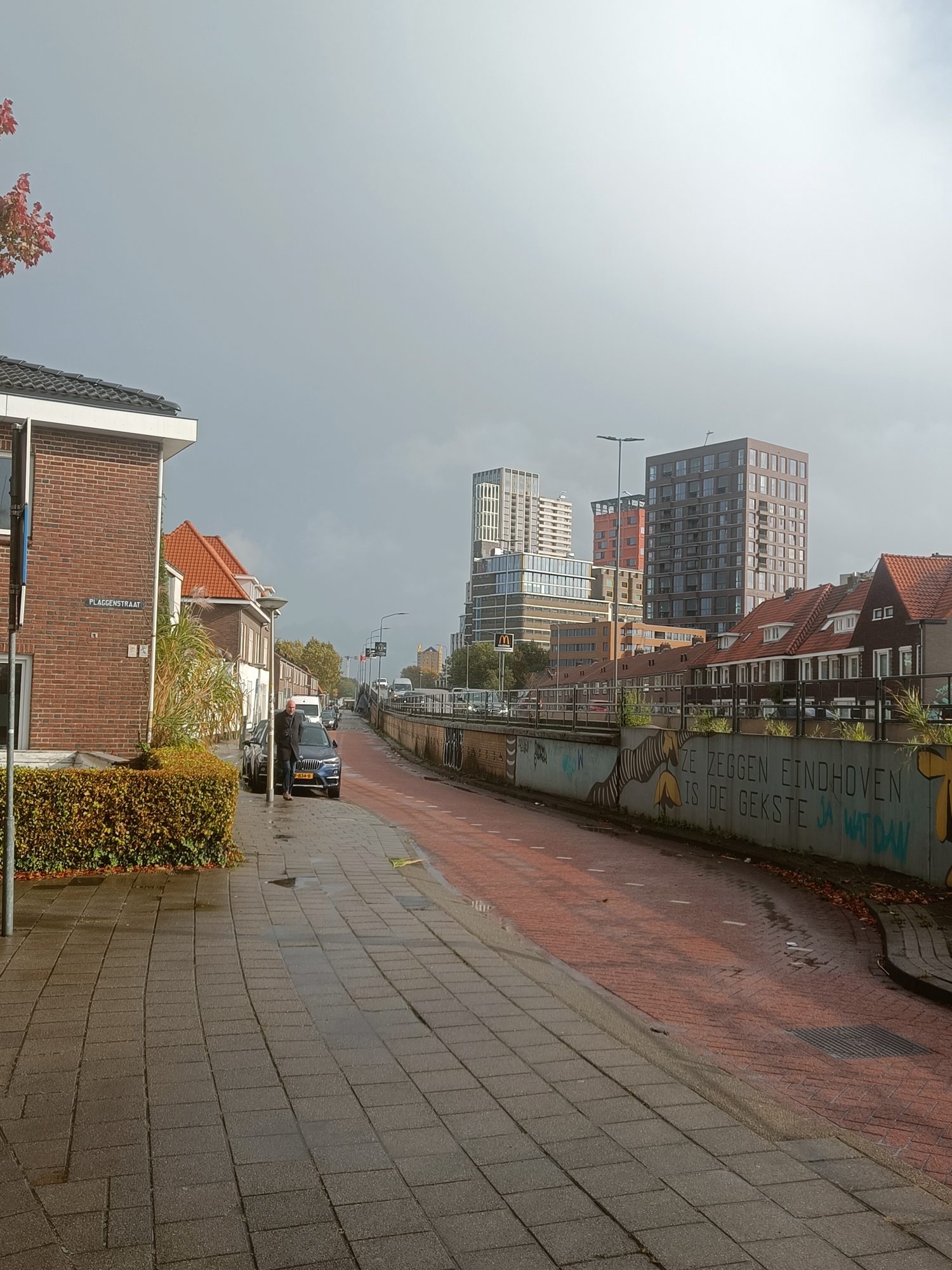
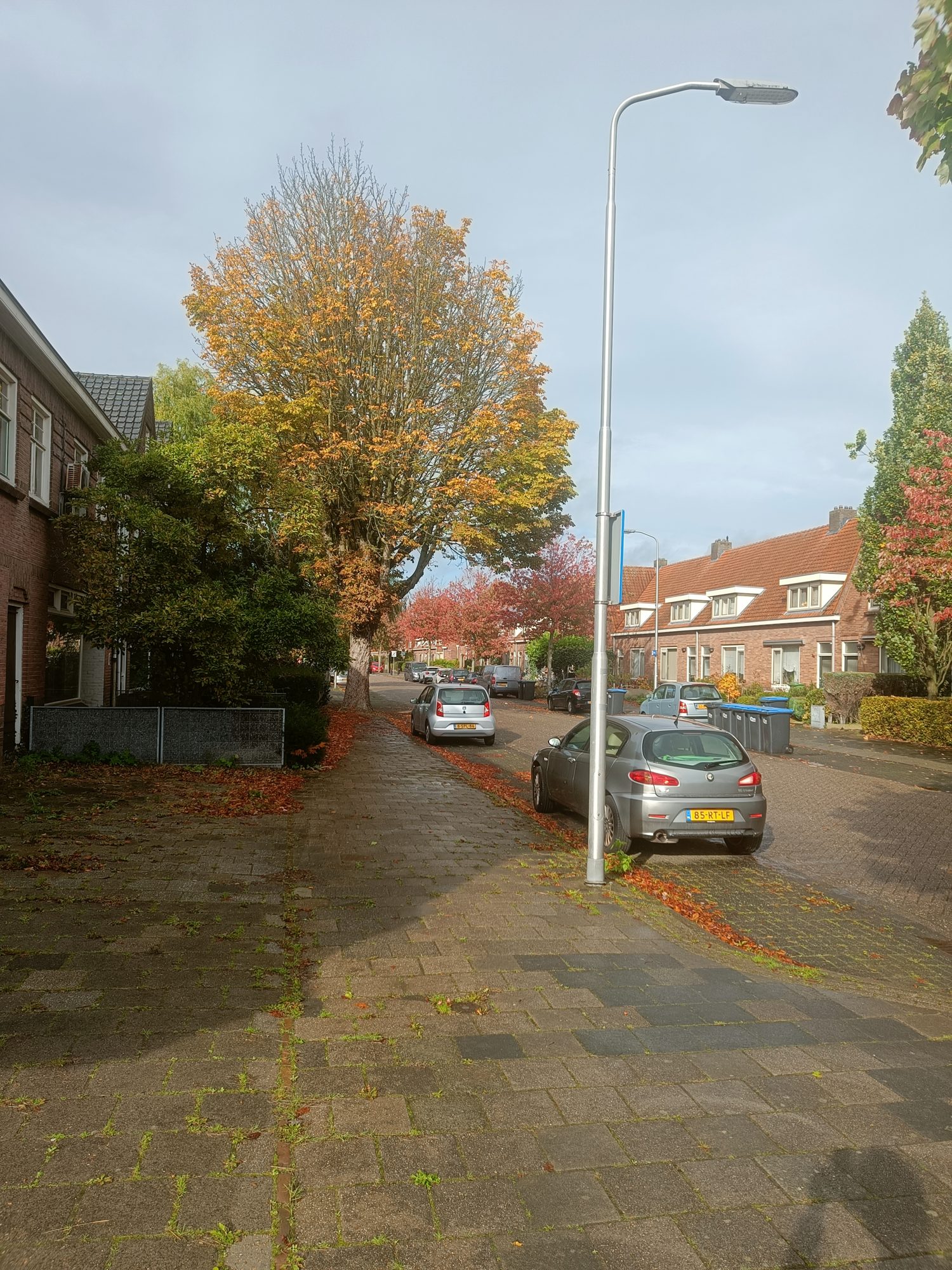
People in Eindhoven think in villages. When I asked about the city, most people first talked about their own neighbourhood. Each neighbourhood has its own identity, its own habits, and neighbours who look out for each other.
This village feeling is Eindhoven’s strength. But people also told me that one neighbourhood does not know much about the next.
WHAT KEPT COMING UP
- Neighbourhoods are small villages, each with its own identity and culture.
- The village feeling gives a social safety net. People feel safe.
- “A village-like city with a lot of possibilities.”
- The city has a good size. You can cycle everywhere. Eindhoven is manageable.
- Brabant down-to-earthness. Practical, no fuss.
- People in one neighbourhood do not know what happens in the next one.
WHAT THE CONTEXT SAYS
The village feeling has a history. In 1920 Eindhoven merged with Woensel, Stratum, Strijp, Gestel and Tongelre. The old village centres still exist, and so do their names.
The city around the villages has grown fast. About 200,000 people lived in Eindhoven in 1999, 225,000 in 2016, and 250,000 in October 2025. That is close to 3,000 new residents every year.
Gemeente Eindhoven, via DutchNews, October 2025
Eindhoven's population
WHAT THIS TELLS US
The neighbourhoods do something most city policies try to do and fail. Neighbours make each other feel at home and look after each other, for free.
But a safety net that stops at the edge of the neighbourhood also keeps people out. Eindhoven gained 50,000 residents in 25 years. Every newcomer has to find a place in one of these villages, or stays outside all of them.
LIVING GOALS IN PLAY:03 Places built for humans13 Belonging in an age of disconnection06 A peaceful and safe life
A QUESTION WORTH ASKING
For the city council:
how would people in Woensel find out what people in Stratum are doing?
SIGNAL 02
Easy to meet. Hard to join.
FEEL GOOD
“It’s social, but up to a line.”
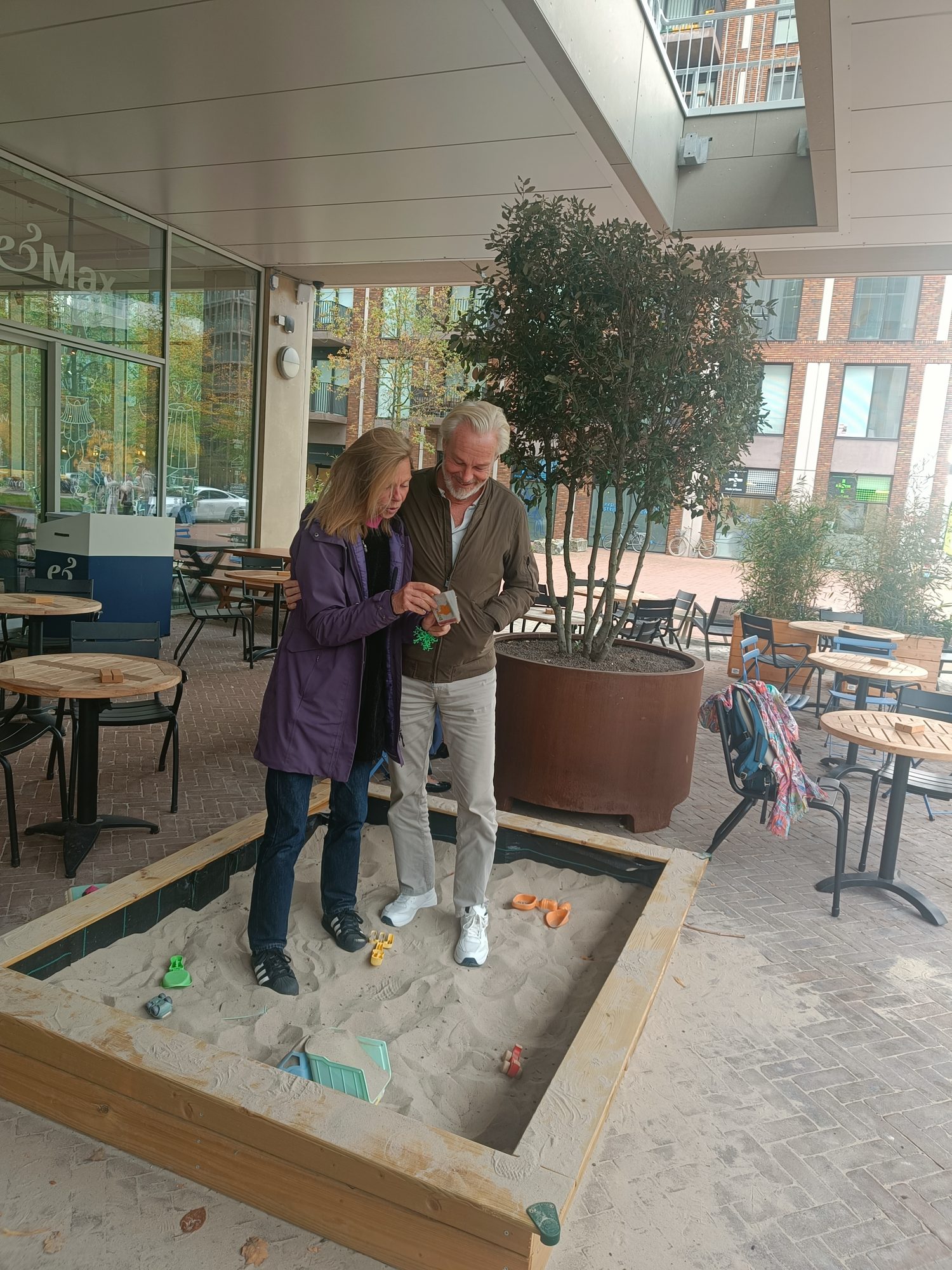
Almost everyone started with the same point. People in Eindhoven are open, start talking quickly and are easy to get to know.
A few minutes later, most people added a second point. There is a line. The line runs between the international residents and the people who grew up here.
WHAT KEPT COMING UP
- You make contact fast. People connect easily.
- Social, but with a limit.
- Different worlds, or bubbles, next to each other.
- Do the expats connect with the local people?
- English is becoming the working language. Basic English is more and more a requirement.
- “You have to like the international side of the city, or you won’t feel at home.”
- “Half the city is foreign.”
WHAT THE CONTEXT SAYS
“Half the city is foreign” is close to the official figures. 47% of Eindhoven’s residents have a background outside the Netherlands: 15% in another European country, 32% outside Europe. This number includes children of migrants who were born here. 32% of residents were born abroad.
About 21% of adults in Eindhoven do not have a Dutch passport. The city has residents with 168 different nationalities.
CBS, 1 January 2026; Gemeente Eindhoven, October 2025
Background of Eindhoven's residents, 2026
WHAT THIS TELLS US
The openness is real. But a friendly first conversation is the easy part.
Eindhoven still misses the next step: places where an international resident and a local resident do something together, for example a sports club, a neighbourhood project or a shared workplace outside the office.
LIVING GOALS IN PLAY:13 Belonging in an age of disconnection17 Belonging to a larger whole
A QUESTION WORTH ASKING
For employers who hire people from abroad:
who will your new colleague meet outside work?
SIGNAL 03
Here for the job. Staying for the life.
WORK GOOD
“You make a conscious choice for Eindhoven.”
Most people come to Eindhoven for a job, not for the city. Nobody I spoke to pretended otherwise. In the past the big employers were Philips and DAF, the truck maker. Today the big employer is ASML, which started in 1984 as a joint company of Philips and ASM International, a Dutch maker of chip machines.
What has changed is what happens after people arrive. In the past people came and left again. Today more people stay.
WHAT KEPT COMING UP
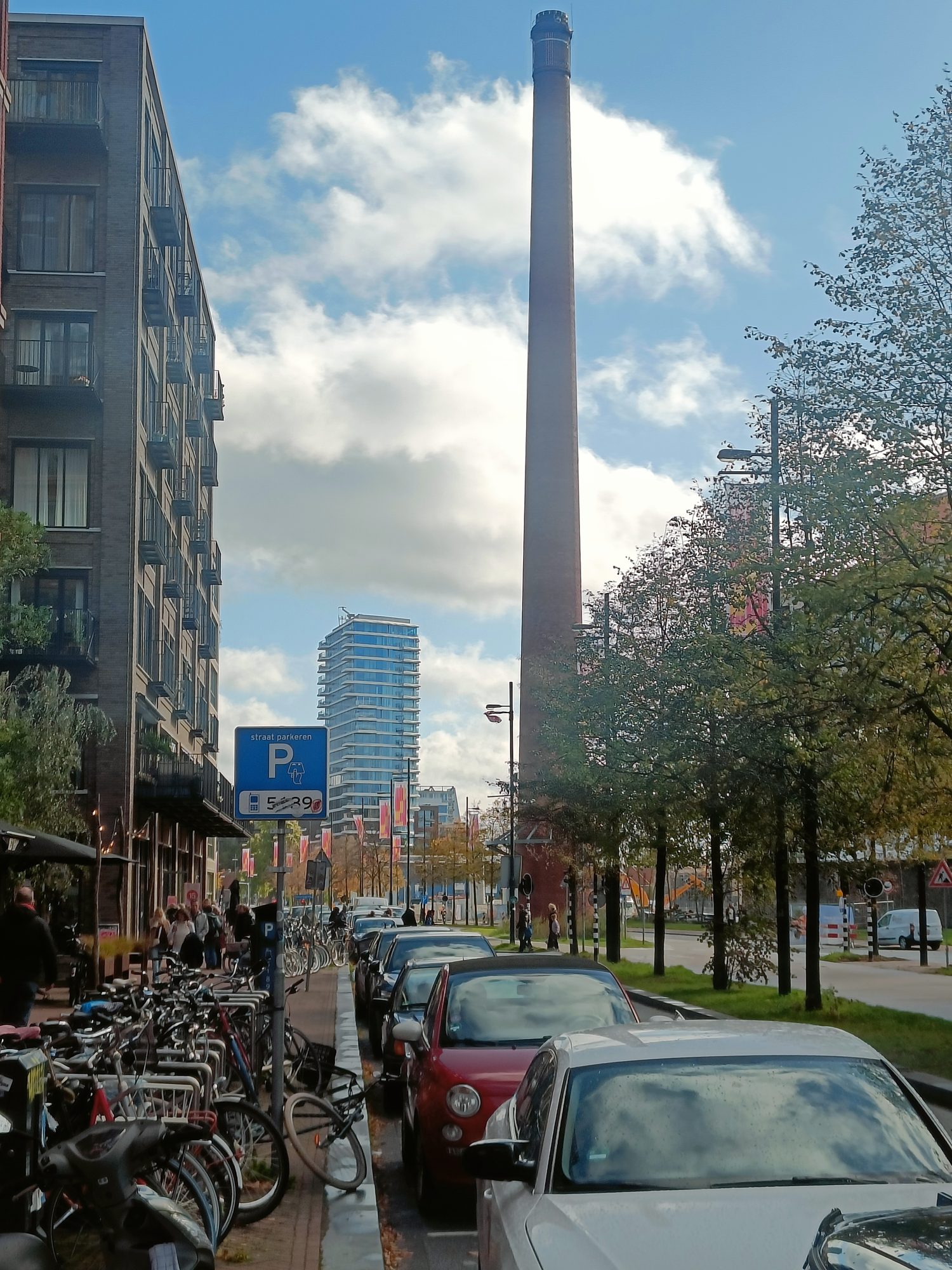
- Most people come to Eindhoven to work, not to live in the city.
- Eindhoven is more and more a career city. More focused on performance.
- ASML has a big influence on the city and the region.
- Life feels rushed. People are always on the way to the next thing.
- People used to come and go. Now people stay longer.
- “Moving here from the Randstad works well.” Life is a little slower than in the Randstad. The energy is different.
- Eindhoven has more energy than Den Bosch or Breda. There is always something new to discover.
- “Eindhoven is rough, like Berlin.”
- “Eindhoven has become more fun.” Things happen in the open now. They used to happen out of sight.
- A love-hate relationship with the city. “Coming here feels like coming home.” “A good home base.”
WHAT THE CONTEXT SAYS
ASML had 21,811 jobs in the Netherlands at the latest count. In 2018 ASML had 12,376. ASML is now one of the ten largest employers in the country. The city has approved a second ASML campus near the airport for about 20,000 more workers. The first workers are expected in 2028.
The city expects about 23,500 labour migrants to live in Eindhoven by 2030. This group grows by about 8% a year.
Omroep Brabant, December 2025; IamExpat, 2026; Gemeente Eindhoven, Woonprogramma 2026–2030
ASML jobs in the Netherlands
WHAT THIS TELLS US
One company sets the speed of working life in Eindhoven. This happened before with DAF and with Philips. The speed is higher this time.
The good news is the second half of this signal. People who came for a job now choose to stay for the life. That choice is Eindhoven’s real asset. No company can hire for it.
LIVING GOALS IN PLAY:07 Work that supports life, not drains it12 Time to truly live15 Progress that feels human
A QUESTION WORTH ASKING
For the Brainport region:
are you building a place where people work, or a place where people live?
SIGNAL 04
Building fast. Building for whom?
LIVE GOOD · DO GOOD
“Too much is being built – and for whom?”
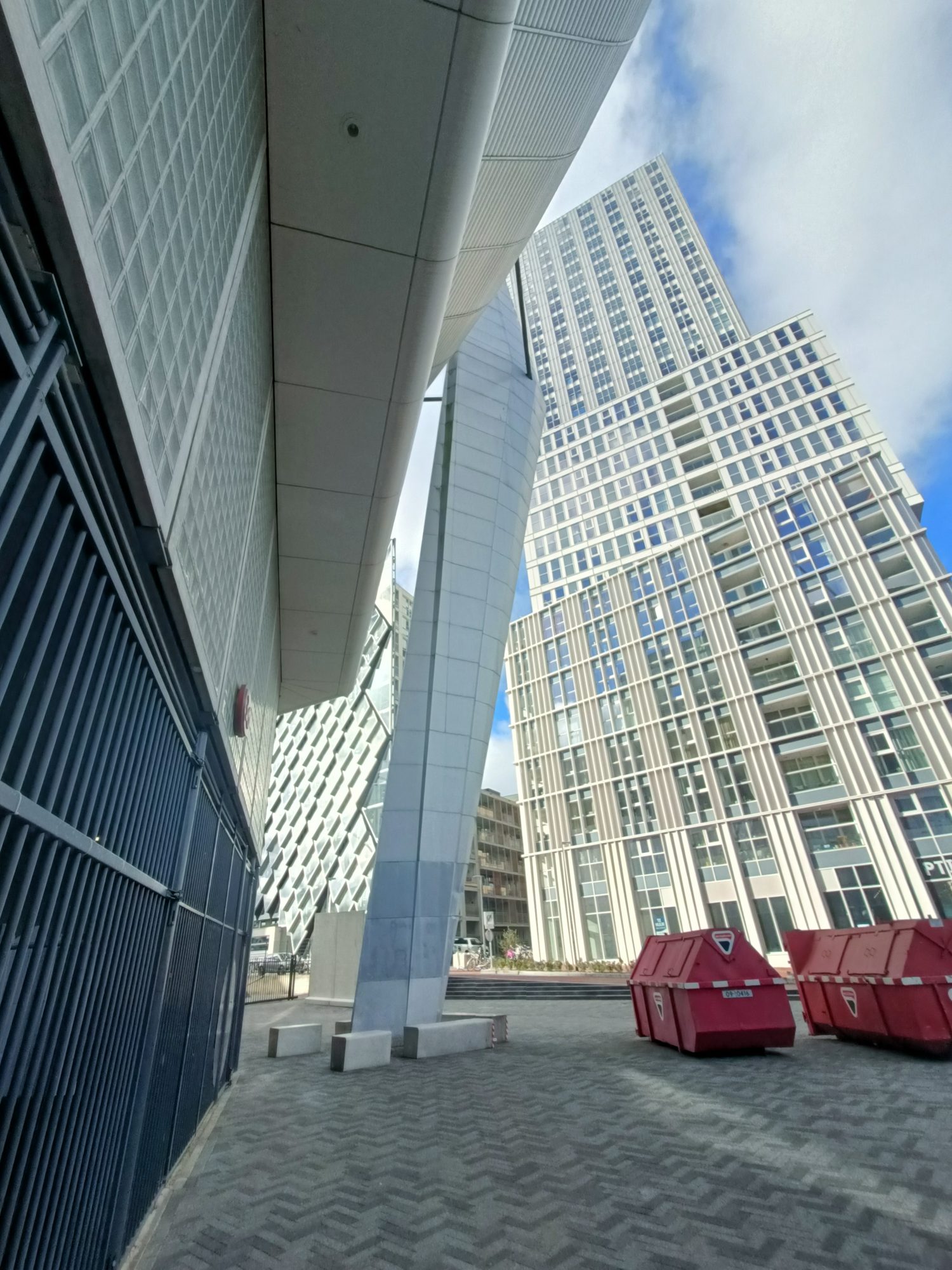
There are cranes all over Eindhoven. New towers on the skyline. New apartment blocks where the factories used to be. Nobody told me the city should stop building.
The question people asked again and again was: who are these new homes for?
WHAT KEPT COMING UP
- A lot is being built.
- Too many tall buildings.
- The city is getting busier. “Eindhoven has become very busy.”
- It is hard to find a home.
- With so much building going on, there is room to try other solutions.
- “Too much is being built – and for whom?”
WHAT THE CONTEXT SAYS
Eindhoven is building, but not enough. The new plan needs about 4,500 new homes a year until 2030. In 2024 the city added just over 2,100.
Two figures surprised me. Rent is not the main problem: in mid-2026 private rent averaged €16.64 per m² a month in Eindhoven, against €19.32 for the Netherlands and €25.70 in Amsterdam. And only about one in three homes in Eindhoven is an apartment. Most homes are houses with a front door on the street.
Gemeente Eindhoven, Woonprogramma 2026–2030; NVM, Q2 2026
New homes per year
WHAT THIS TELLS US
The housing problem in Eindhoven is not mainly the price. The problem is finding a home at all. And the towers are not most of the city. The towers are the most visible part of the city, so people’s worries about growth attach to the towers.
When people ask “for whom?”, they are not asking about square metres. They are thinking of their own people. The son or daughter who wants to leave home. The nurse and the teacher the neighbourhood needs. And they are asking whether anyone asked the neighbourhood.
LIVING GOALS IN PLAY:02 Basic living conditions for everyone03 Places built for humans14 A say in your own life
A QUESTION WORTH ASKING
For developers and the city:
who in the neighbourhood did you ask before you designed the tower?
SIGNAL 05
Greener on the showcase. Grey in the neighbourhood.
LIVE GOOD · DO GOOD
“In the poorer neighbourhoods there’s little green.”
People told me Eindhoven has become greener. In the same coffeetalks, people asked for more trees and parks, and said Eindhoven is not a pretty city.
Both statements are true. The answer depends on which neighbourhood you live in.
WHAT KEPT COMING UP
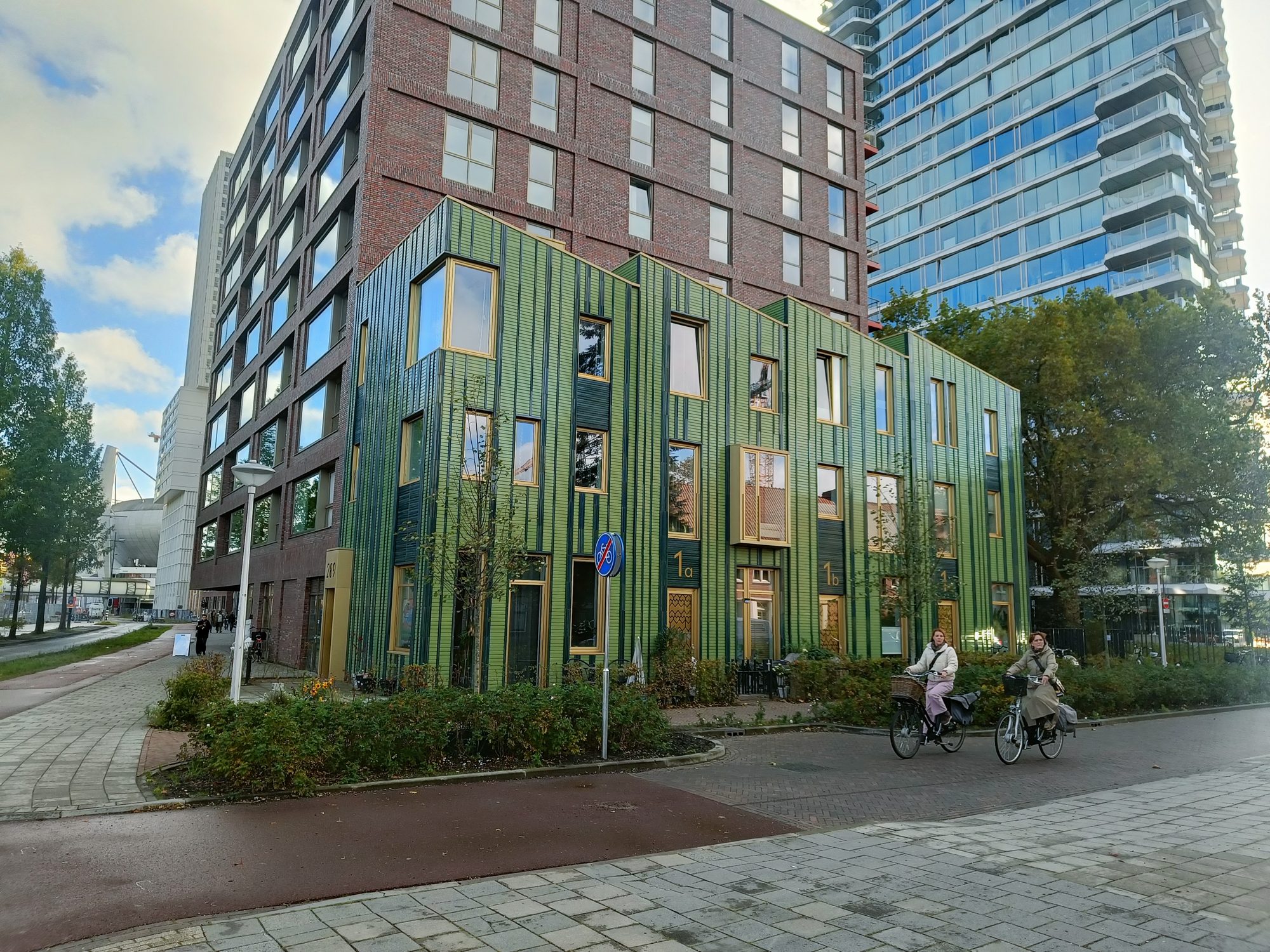
- Eindhoven has become greener.
- Quite green compared with other big cities, but there could be more green.
- In the poorer neighbourhoods there is little green.
- More car-free areas. (In the same coffeetalk: “Parking is no problem.”)
- Not a pretty city. “Everything is here, but it’s an ugly city.”
- Empty squares that nobody uses.
- More respect for nature.
- Try new ideas across the whole city, not only in a few districts.
WHAT THE CONTEXT SAYS
A national study by Natuur & Milieu counted 86 m² of public green per home in Eindhoven in 2024. In 2019 the figure was 109 m². In 61% of Eindhoven’s neighbourhoods the figure is below the national guideline of 75 m² per home. Trees cover 9% of the city, against a recommended 30%. The city council has questioned the study’s method and points to its own figures.
The city planned to make 26 squares in the centre green. By March 2026, 5 squares were done.
Natuur & Milieu / Sweco, December 2024; Omroep Brabant, March 2026
Public green per home
WHAT THIS TELLS US
New green is arriving first in the places the city shows to visitors. Green arrives more slowly in the streets where people simply live.
People do not want parks as decoration. People want the new ideas to leave the showcase districts and come to their own street.
LIVING GOALS IN PLAY:03 Places built for humans16 Protecting life, now and after us01 A life with dignity, for everyone
A QUESTION WORTH ASKING
For the city council:
which neighbourhood gets the next green square – the one visitors see, or the one with the least green?
WHOLE-CITY READ
The four pillars
Live Good
Eindhoven has a human size. You can cycle everywhere, people feel safe, and the city is easy to manage. But the city is getting busy, building goes fast, and finding a home is hard. New green comes to the showcase districts first.
Work Good
A strong economy, with one big employer behind it – more clearly than in any other city on the Tour. Work is why people come to Eindhoven. The cost is speed: life feels rushed and focused on performance.
Feel Good
The surprise of this reading. People are warm and quick to connect, and neighbourhoods look after their own. People call Eindhoven “coming home”. The limit is the line between the international residents and the local residents.
Do Good
Eindhoven makes technology and design for the whole world. Several people asked whether the city also makes something for its own residents – and who has a say in that.
IN ONE LINE
Eindhoven is a group of villages with a world economy in the middle. The spotlight is on the economy.
LOOKING AHEAD
Where this points
Three things I would look at next, if I were staying.
01 THE VILLAGES ARE EINDHOVEN’S SAFETY NET
Nobody designed Eindhoven’s social safety net. The city got the safety net from five old villages and a factory town. Every growing city wants a safety net like this, and no city can build one from scratch. Eindhoven should protect the villages first. Then connect the villages to each other, because a safety net that stops at the edge of each neighbourhood will not hold 50,000 newcomers.
02 TWO CITIES IN ONE
An international city and a Brabant village city share the same streets. Both are friendly. Most of the time, the two groups do not meet. A place where international and local residents actually meet will matter more for the next ten years than another campus.
03 THE OTHER SIDE OF EINDHOVEN
Design and technology get the stage, the budget and the story. One person put it like this:
“Too much focus on technology and design. There are so many other sides that deserve attention. Eindhoven has more to offer. The danger is that the other side wears thin, or never gets the attention it deserves.”
Others said the same in shorter words. The neighbourhoods, the care for each other, the slower life – that is the reason people stay. Today nobody is responsible for that side of Eindhoven.
I came to Eindhoven with one question. Beside all the design and technology, does the city still have a connection with people’s hearts?
Yes. The connection lives in the neighbourhoods, mostly out of sight. Eindhoven does not yet tell the world about this side of the city.
THANK YOU
To everyone who sat down
To everyone in Eindhoven who sat down with me for half an hour over a coffee, in the busiest week of the year, and gave an honest answer – thank you.
If you live in Eindhoven and you think I got something wrong, please tell me. Your feedback makes the next reading better.
The QOL Tour asks one question in every city, to residents and to people who work there: how is it to live and work here? Eindhoven is the fifth city on the Tour.
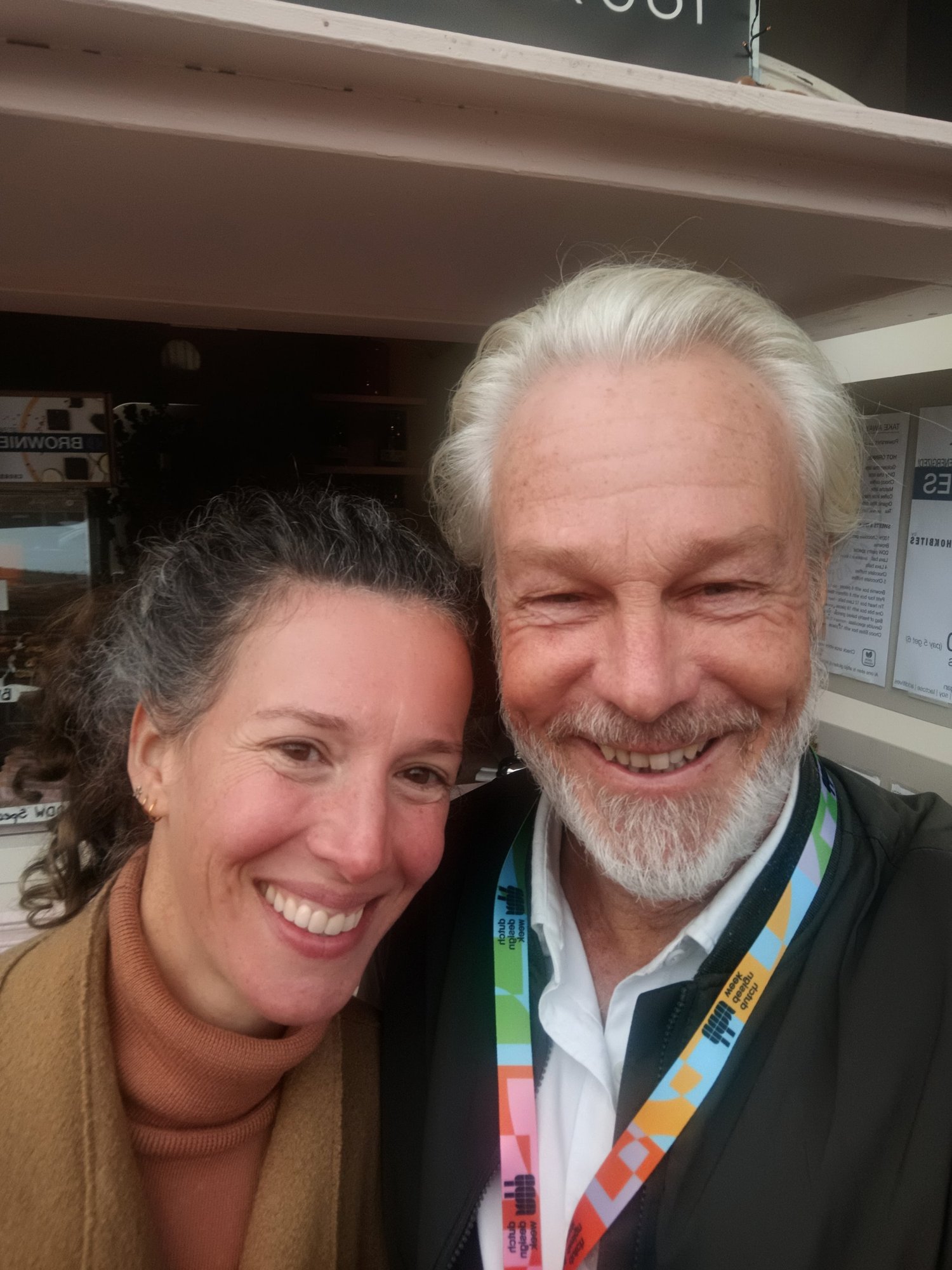
 Hans van de RaktBusiness Hippie Club · businesshippie.club
Eindhoven City Signals · Fieldwork 2026